Apitherapy - Ancient Science and Modern Wonders
Apitherapy, or therapy with bee products (from the Latin word "apis" meaning bee), represents a fusion of ancient wisdom and modern medical achievements. Through the use of products created by honeybees - such as bee venom, honey, pollen, royal jelly, propolis, and beeswax - apitherapy offers natural solutions for a wide range of health conditions, from multiple sclerosis to arthritis, wounds, pain, gout, herpes zoster, burns, tendinitis, and infections.
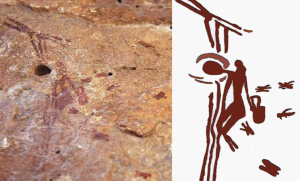
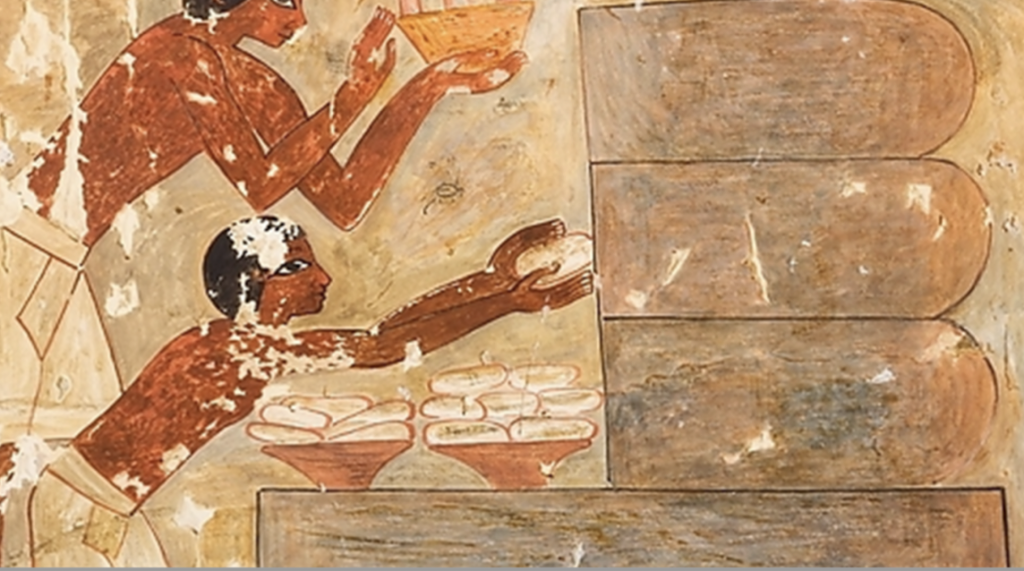
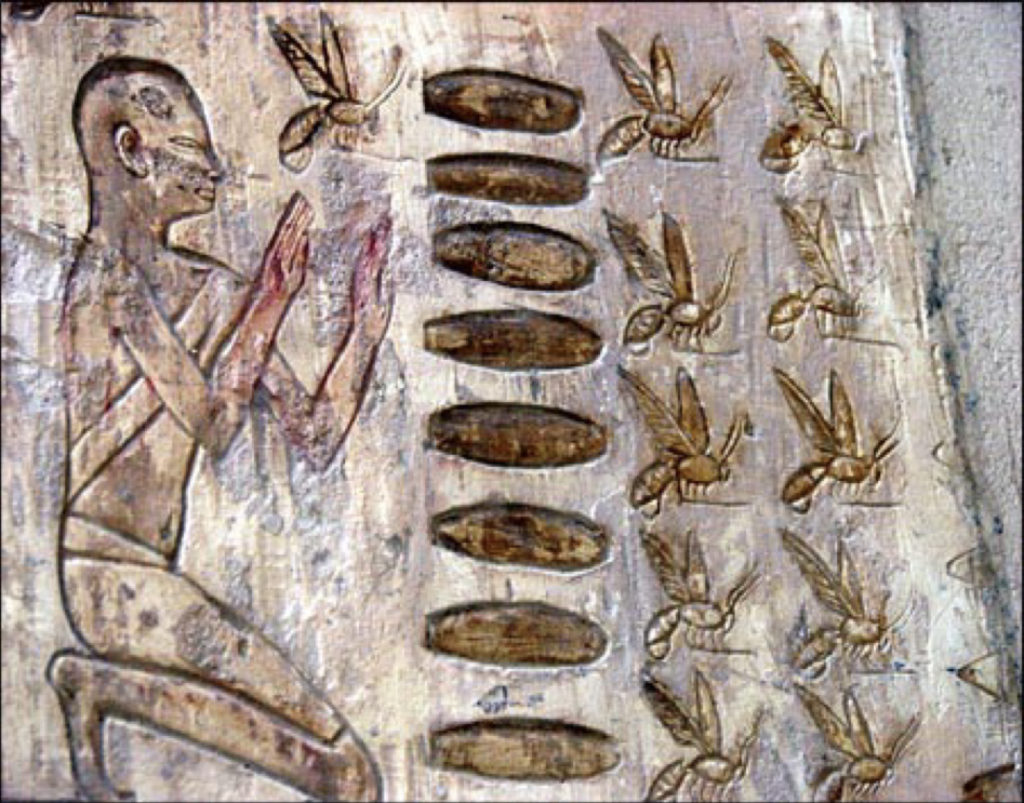
This ancient practice has roots in the civilizations of ancient Egypt, Greece, and China, where bee products were highly valued for their medicinal properties. Hippocrates, known as the "father of medicine," was one of the first to recognize and apply the medicinal properties of bee venom for treating arthritis and other joint ailments. In modern times, scientific research confirms the effectiveness of these natural products, showing how they contribute to treatment by improving circulation, reducing inflammation, and stimulating a healthy immune response.
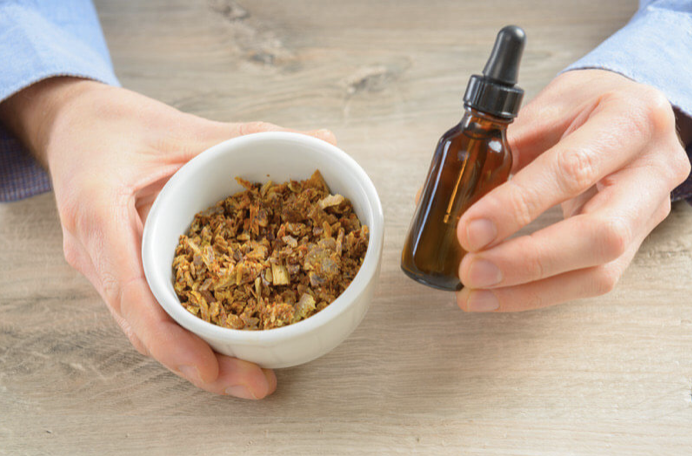
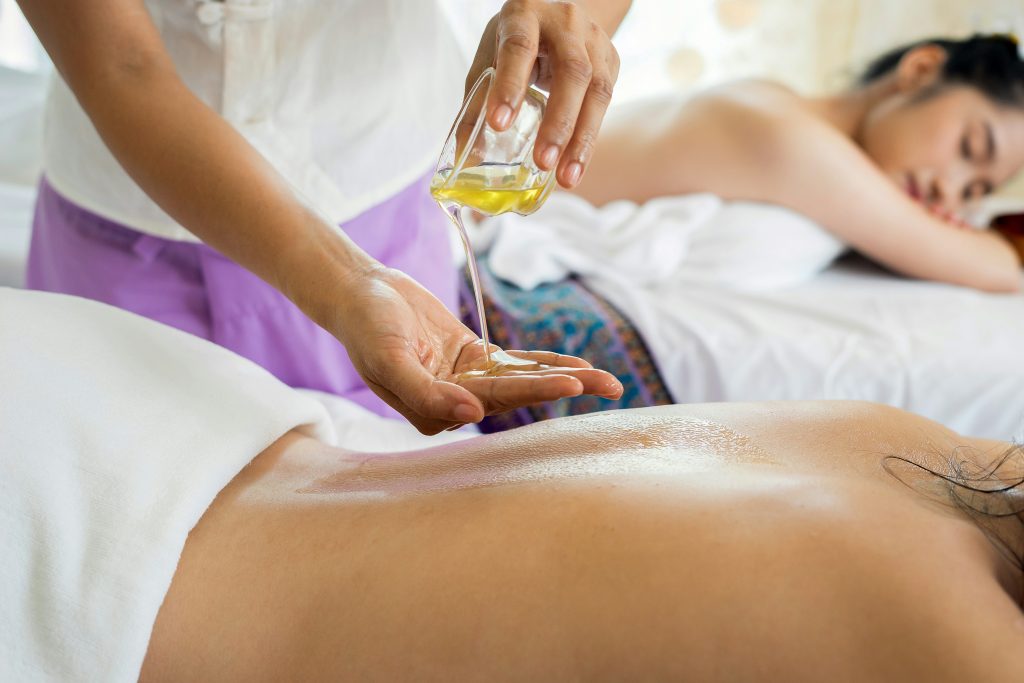
One of the key aspects of apitherapy is its synergy with phytoaromatherapy, where bee products are combined with essential oils to create specific, targeted treatments. This integration provides a complex and holistic approach to treatment, using a combination of natural ingredients for optimal results.
Philip Terc, a 19th-century physician, was one of the pioneers in the modern study of apitherapy, and his work was further developed thanks to the efforts of Bodog Beck and Charles Mraz, who popularized apitherapy in the United States.
Today, apitherapy stands as a strong example of how traditional knowledge and modern science can work together to improve our health and well-being, offering effective natural methods for various health challenges. In this blog, we will explore in more depth how the gifts of bees continue to enrich our lives and how apitherapy is evolving in the new era of medicine.
The Basics of Apitherapy
Apitherapy, the practice of using products made by honeybees for medicinal purposes, combines traditional knowledge and modern research. We will list various bee products used in apitherapy, highlighting their unique characteristics and therapeutic applications.
Honey: This sweet nectar is not just a delicacy, but also a powerful medicine. Rich in antioxidants and possessing significant antibacterial properties, honey is used in the treatment of wounds, burns, and for alleviating symptoms of colds and sore throat.
Propolis: A resinous material known for its antimicrobial properties that bees use to repair and protect their hives, it is rich in bioflavonoids. Propolis is used to strengthen the immune system, as well as for treating oral infections and skin diseases due to its anti-inflammatory and antimicrobial properties.
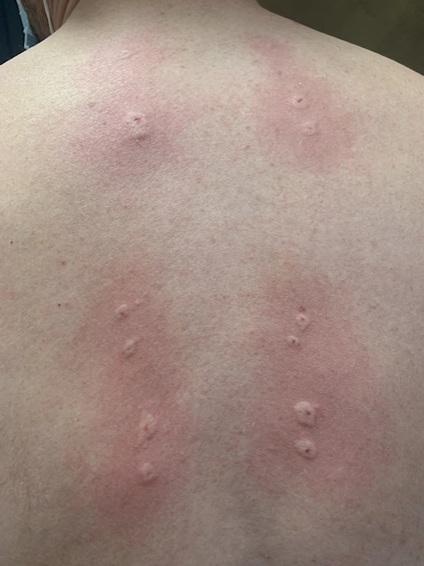
Bee Venom: Though it may seem daunting, bee venom is used to treat various conditions, including arthritis and neurological disorders, thanks to its anti-inflammatory properties and ability to stimulate the immune system.
Royal Jelly: This creamy secretion produced by bees to feed their queen is rich in vitamins and minerals and is used to improve overall health, energy, and immunity.
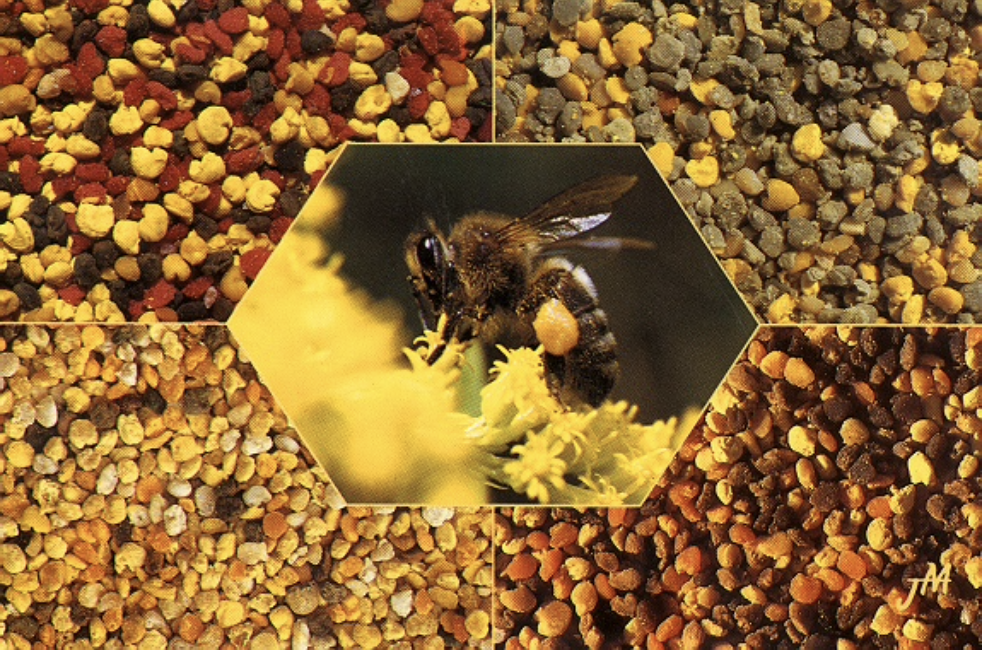
Flower Pollen: As one of the main food sources for bees, pollen is rich in proteins, vitamins, and minerals. It is used to enhance energy, reduce inflammatory processes in the body, and support the immune system.
Bee Bread (Perga): Perga is fermented flower pollen that bees store in the hive. Rich in proteins, vitamins, and enzymes, it is used to improve digestion and overall health.
Wax: Although less used for therapeutic purposes, wax is a key ingredient in natural cosmetics, used in making creams, balms, and other skin care products.
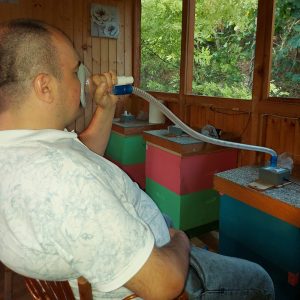
Air from the Hive: Therapy by inhaling air from the hive, rich in microelements from bee products, is used for treating respiratory problems, including asthma and allergies.
Integration with Phytoaromatherapy
The integration of bee products with phytoaromatherapy represents an advancement in apitherapy. By combining essential oils with bee products, specialized treatments are created for various health needs, providing a holistic approach to treatment.
Applications of Apitherapy
Apitherapy offers a variety of treatment options for different conditions, but it is important to approach this form of therapy with a comprehensive understanding and careful preparation.
Steps Before Starting Apitherapy
Consultation with a Doctor: First and foremost, a patient should consult with their doctor to determine an accurate diagnosis. Understanding the basic health condition is key to choosing the right therapeutic approach.
Consultation with a Doctor of Chinese Medicine: Following that, a consultation with a doctor of Chinese medicine can help identify energetic imbalances and other imbalances in the body. Chinese medicine provides a holistic insight into the patient's health condition, which can be useful for customizing apitherapy.
Consultation with a Psychotherapist: Psychological state plays an important role in overall health. Talking with a psychotherapist can help in removing psychological barriers and improving mental well-being, which is important for successful apitherapy.
Starting Apitherapy: After these steps, one can begin apitherapy, choosing products and methods that best suit their specific health condition and needs.
Applications of Apitherapy in Treating Various Conditions
Arthritis: Bee venom has proven useful in treating symptoms of arthritis, reducing pain and inflammation. Studies have shown that bee venom therapy can significantly improve the quality of life for patients with arthritis.
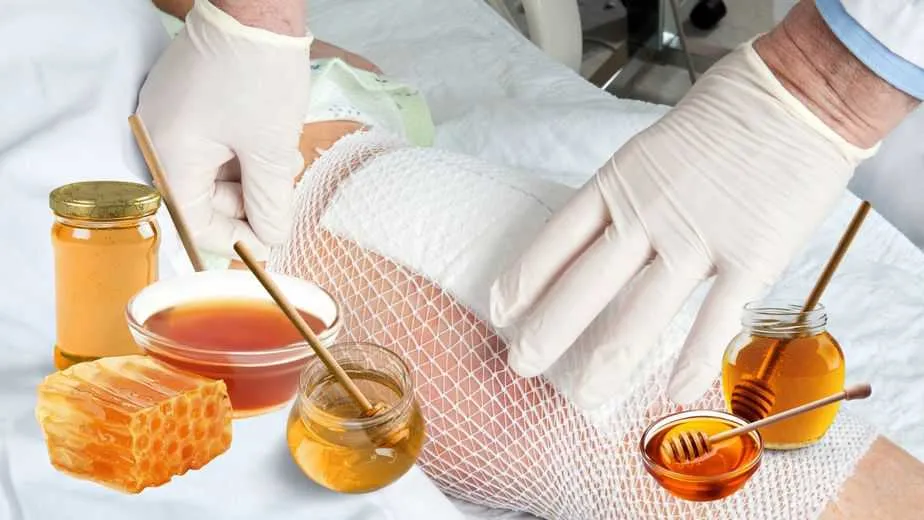
Skin Diseases: Honey and propolis are often used in skin treatments due to their anti-inflammatory and antibacterial properties. Applying honey to burns or wounds can speed up the healing process and reduce infection.
Respiratory Problems: Inhaling air from the hive has shown potential as a treatment for asthma and other respiratory problems, helping to reduce symptoms and improve breathing.
Immunity and Overall Health: Regular intake of products such as royal jelly and pollen can improve immunity and overall health, increasing vitality and energy.
Applications of Apitherapy
Apitherapy offers a variety of treatment options for different conditions, but it is important to approach this form of therapy with a comprehensive understanding and careful preparation.
Steps Before Starting Apitherapy
Consultation with a Doctor: First and foremost, a patient should consult with their doctor to determine an accurate diagnosis. Understanding the basic health condition is key to choosing the right therapeutic approach.
Consultation with a Doctor of Chinese Medicine: Following that, a consultation with a doctor of Chinese medicine can help identify energetic imbalances and other imbalances in the body. Chinese medicine provides a holistic insight into the patient's health condition, which can be useful for customizing apitherapy.
Consultation with a Psychotherapist: Psychological state plays an important role in overall health. Talking with a psychotherapist can help in removing psychological barriers and improving mental well-being, which is important for successful apitherapy.
Starting Apitherapy: After these steps, one can begin apitherapy, choosing products and methods that best suit their specific health condition and needs.
Applications of Apitherapy in Treating Various Conditions
Arthritis: Bee venom has proven useful in treating symptoms of arthritis, reducing pain and inflammation. Studies have shown that bee venom therapy can significantly improve the quality of life for patients with arthritis.
Skin Diseases: Honey and propolis are often used in skin treatments due to their anti-inflammatory and antibacterial properties. Applying honey to burns or wounds can speed up the healing process and reduce infection.
Respiratory Problems: Inhaling air from the hive has shown potential as a treatment for asthma and other respiratory problems, helping to reduce symptoms and improve breathing.
Immunity and Overall Health: Regular intake of products such as royal jelly and pollen can improve immunity and overall health, increasing vitality and energy.
Conclusion and Call to Action
As we conclude our exploration of the world of apitherapy, it is clear that this ancient practice offers much more than just using honey as a sweetener. The diversity and effectiveness of bee products in treatment and health improvement are fascinating, and their application in modern times is increasingly gaining importance.
Summarizing Key Points
Apitherapy uses various bee products, including honey, propolis, bee venom, royal jelly, pollen, bee bread, hive air, and wax, each with its unique therapeutic properties.
Scientific research confirms many of the traditional uses of these products, highlighting their effectiveness in treating various health conditions from arthritis to skin diseases and respiratory problems.
It's important to approach apitherapy informed, with attention to product quality and in consultation with healthcare professionals, especially if you are already under medical care or have existing allergies.
Personal Opinion on Apitherapy
Apitherapy not only illustrates the beauty and strength of nature, but also offers an encouraging example of how traditional knowledge and modern science can work together to improve our health and well-being. As we continue to explore and validate its benefits, apitherapy stands as a beacon in the world of natural medicine.
References
Münstedt, K., & Männle, H. (2020). Seasonal Allergic Rhinitis and the Role of Apitherapy. Allergologia et Immunopathologia, 48(6), 582-588. doi:10.1016/j.aller.2020.03.015.
Lee, J. A., Son, M. J., Choi, J., Jun, J. H., Kim, J. I., & Lee, M. S. (2014). Bee Venom Acupuncture for Rheumatoid Arthritis: A Systematic Review of Randomised Clinical Trials. BMJ Open, 4(7). doi:10.1136/bmjopen-2014-006140.
Jang, S., & Kim, K. H. (2020). Clinical Effectiveness and Adverse Events of Bee Venom Therapy: A Systematic Review. Toxins, 12(9), 558. doi:10.3390/toxins12090558.
Pasupuleti, V. R., Sammugam, L., Ramesh, N., & Gan, S. H. (2017). Honey, Propolis, and Royal Jelly: A Comprehensive Review of Their Biological Actions and Health Benefits. Oxidative Medicine and Cellular Longevity, 2017. doi:10.1155/2017/1259510.
Silva-Carvalho, R., Baltazar, F., & Almeida-Aguiar, C. (2015). Propolis: A Complex Natural Product with a Plethora of Biological Activities That Can Be Explored for Drug Development. Evidence-Based Complementary and Alternative Medicine, 2015. doi:10.1155/2015/206439.
Fratellone, P. M., Tsimis, F., & Fratellone, G. (2015). Apitherapy Products for Medicinal Use. Journal of Alternative and Complementary Medicine, 21(12), 1-7. doi:10.1089/acm.2015.0340.
Sforcin, J. M. (2016). Biological Properties and Therapeutic Applications of Propolis. Phytotherapy Research, 30(6), 894-905. doi:10.1002/ptr.5605.
Bogdanov, S. (2016). Bee Products: Properties, Applications, and Apitherapy. Springer Science & Business Media.
Krell, R. (1996). Value-Added Products from Beekeeping. Food and Agriculture Organization of the United Nations.
Melliou, E., & Chinou, I. (2005). Chemistry and Bioactivity of Royal Jelly from Greece. Journal of Agricultural and Food Chemistry, 53(23), 8987-8992. doi:10.1021/jf051806v.