The skin represents the largest human organ. Like all other organs, it is affected by numerous bacterial and viral infections. Skin diseases such as atopic dermatitis, acne, and psoriasis, in addition to their negative aesthetic effect, also impact the quality of life.
The use of bee products in treatment has been known since ancient times, and scientists are increasingly focusing on the effects of these products, as it is known that bee products have numerous anti-inflammatory, anticancer, and antibacterial properties.
Bee products are not only used in treatment but also have their application in skin care as ingredients in cosmetic products. Each bee product has its specific active substances that determine its use for different skin problems.
Bee products used in the therapy of skin diseases include: honey, pollen, propolis, beeswax, bee venom, and royal jelly.
Honey
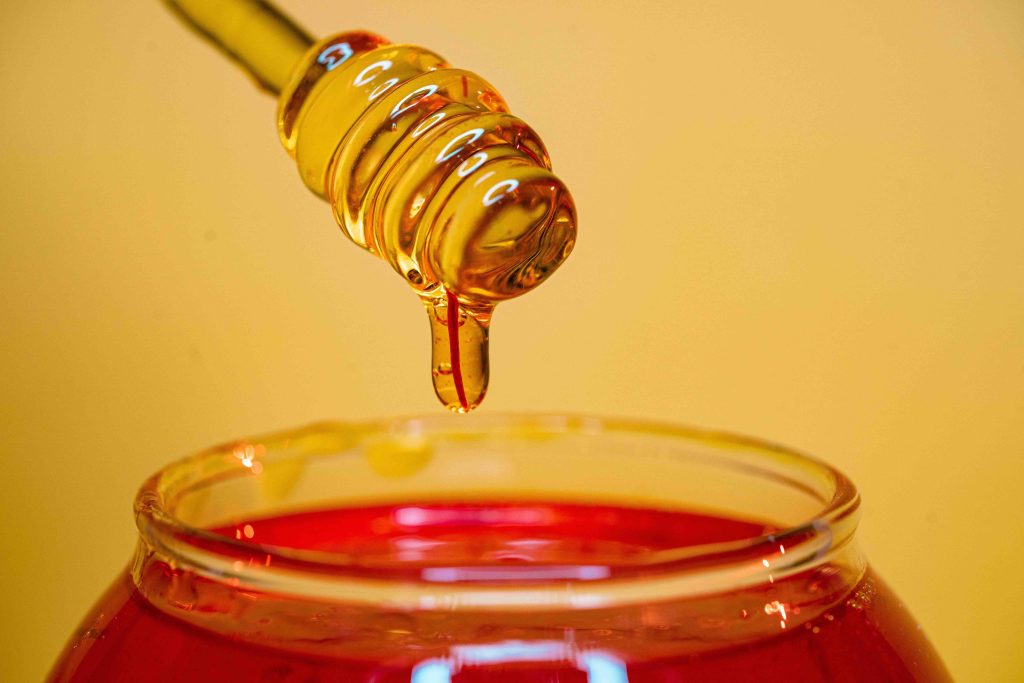
Honey contains numerous nutritious ingredients, including amino acids, bioactive components such as vitamins, phenols, flavonoids, fatty and organic acids. Honey is used in the prevention and treatment of conditions such as cardiovascular diseases, cancer, diabetes, skin diseases, and hard-to-heal wounds.
The application of honey is well-known in cosmetics for skin regeneration and hydration. The fruit acids in honey contribute to its exfoliating effect. The presence of flavonoids in honey prevents skin irritation during sun exposure, while adding honey to cosmetic products leads to improved skin tone, color, and elasticity. Honey is particularly suitable as a dressing for wounds and burns.
Honey soothes skin irritations and is a good cosmetic product for chapped lips, rough, cracked skin on hands, and frostbite. Due to its composition, honey has antibacterial, antifungal, anti-inflammatory effects, and its use also achieves an anti-aging effect, so it is used in the appearance of wrinkles, in the therapy of fungal diseases, gum inflammation, and the aforementioned wounds and burns.
Marionti and colleagues conducted a study with 52 patients, where post-surgical skin incisions were covered with a honey dressing. Aesthetic results were evaluated after the third and sixth month. The width of the scars was smaller compared to conventional dressings.
Table 1. Use of Honey in the Therapy of Skin Diseases.
Components of Honey | Impact on the Skin | Therapy for Skin Diseases |
Metylglioksal, pčelinji defensin-1, melanoidini, fenolne kiseline (npr. kafeinska kiselina, ferulinska kiselina, p-kumarinska kiselina), kvercetin, lizozim | Antibacterial properties | Treatment of Wounds and Burns |
Fruit Acids | Anti-aging Effect | Wrinkle Treatment |
Quercetin, kaempferol, and chrysin | Anti-inflammatory | Treatment of Wounds and Gum Inflammation |
Pollen
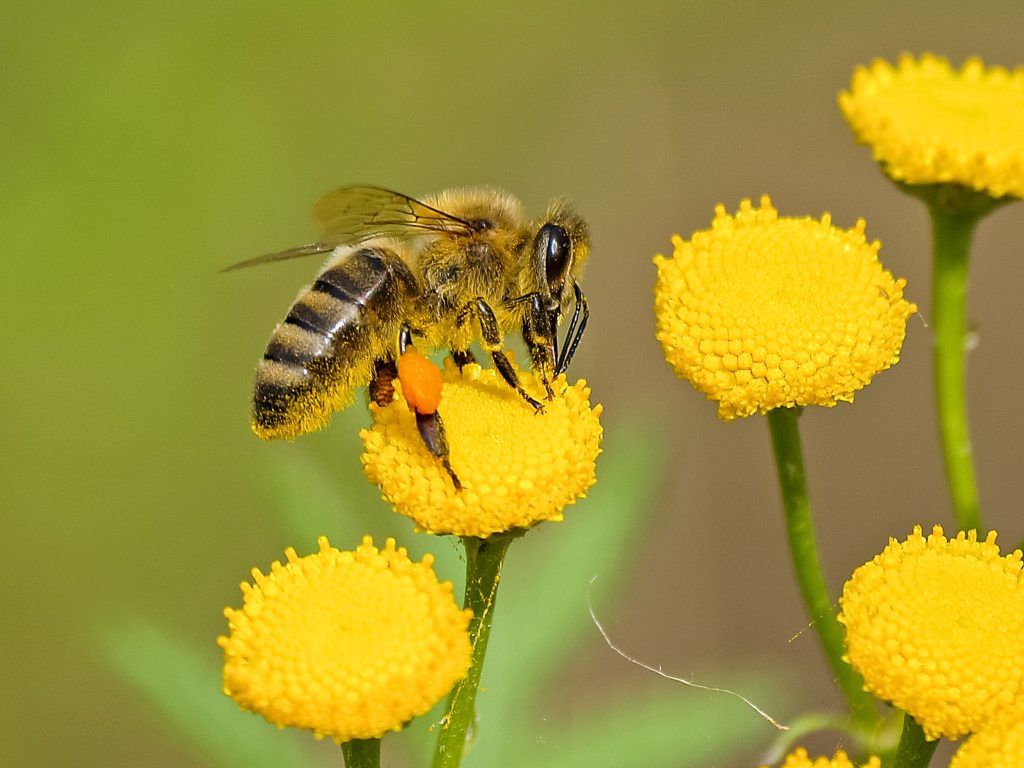
Pollen is a bee product that contains fatty acids, nucleic acids, nucleosides, phenolic compounds, vitamins, and bioelements, which significantly determine its therapeutic effects. Pollen can be used in the treatment of prostatitis, acute and chronic hepatitis, regulates bowel function, and helps in maintaining normal levels of sex hormones.
In cosmetics, pollen positively affects protective mechanisms against aging, skin dryness, ultraviolet type B radiation, inflammation, and melanogenesis. Topical ointment with pollen can be applied for burns, as pollen regenerates damaged tissue. Flavonoids and phenolic acids in pollen have antifungal effects, so pollen can be used in the treatment of fungal diseases.
Thanks to its active ingredients that have anti-inflammatory effects, pollen can be used in the therapy of atopic dermatitis. Bee pollen is an active ingredient in cosmetic products, usually in a concentration of 0.5–5%. Due to the high content of vitamin C in pollen, it is included in numerous creams applied to skin prone to redness. Pollen reduces sebum secretion, so it is used in products for oily hair. Products with pollen enriched with omega-3 and omega-6 acids help in the care of atopic, sensitive skin, and skin prone to scars.
For use, it is best to use fresh or frozen pollen.
Table 2. Use of Pollen in the Therapy of Skin Diseases.
Components of Pollen | Impact on Skin | Therapy for Skin Diseases |
Pinocembrin, apigenin, quercetin, kaempferol, ferulic acid | Antifungal | Treatment of Fungal Infections |
Kaempferol and phenolic acid | Antimicrobial | Burn Treatment |
Phenolic acid, fatty acids, phytosterols, kaempferol, and quercetin | Anti-inflammatory | Treatment for Atopic Dermatitis and Burns |
Methionine, zinc, and phosphorus | Sebum Regulation | Acne Treatment |
Propolis
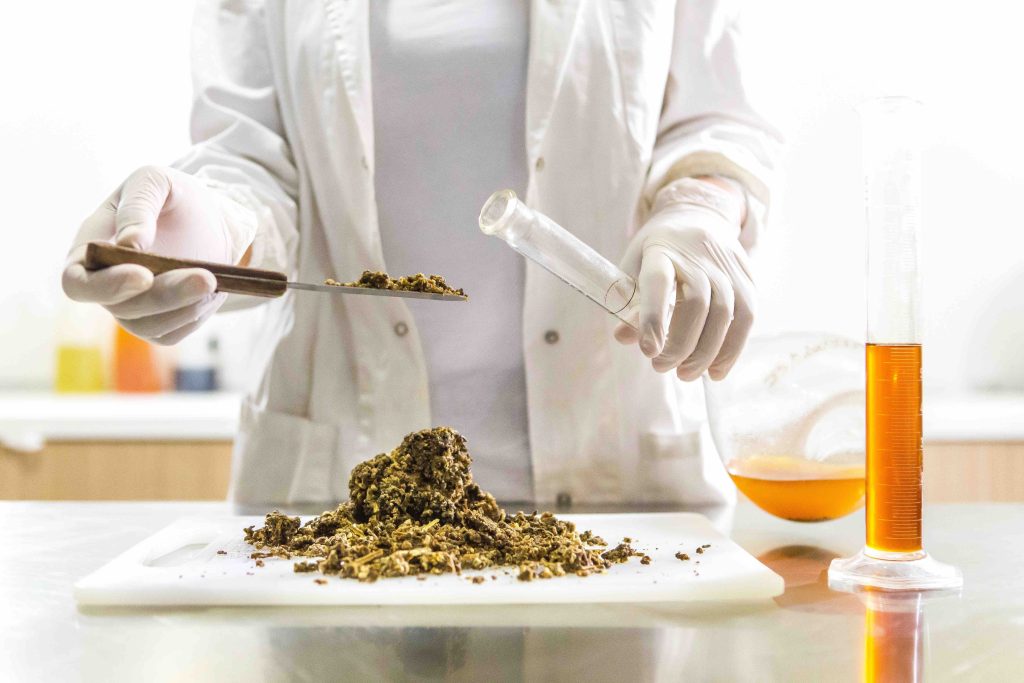
Propolis is a complex resinous mixture that bees primarily use for constructing their hives. It consists of resin, wax, pollen, essential oils, and organic compounds, such as amino acids, phenolic compounds, flavonoids, alcohols, terpenes, aromatic esters, aldehydes, ketones, or vitamins. Propolis has anticancer, antiviral, antifungal, antioxidant, and antihistamine effects. It promotes wound healing, alleviates gum diseases, is used in the treatment of recurrent vulvovaginal candidiasis, stomach ulcers, and in breast cancer therapy. Propolis positively affects the immune, nervous, cardiovascular, and respiratory systems.
The use of propolis in cosmetics is associated with its regenerative effect on the skin, as well as its stimulation of collagen production. Thanks to its antibacterial effect, propolis prevents the development of bacteria that lead to acne, making it effective in acne treatment. The antifungal effect of propolis contributes to its use in the treatment of fungal diseases. Chrysin, which is a flavonoid, provides an analgesic effect and is used in wound therapy. It is included in many sun protection products. Propolis lightens the skin, reduces signs of fatigue, and affects skin hydration.
Afkhamizadeh and colleagues investigated the effects of a 5% fat solution of propolis in patients with foot wounds caused by diabetes. The results showed that after 4 weeks of application, there was faster wound healing in these patients.
Mazzarello and colleagues conducted a study confirming that a cream containing 20% propolis, 3% tea tree oil, and 10% aloe vera leaf juice successfully eliminates papules and pustules, especially in cases of mild and moderate acne.
Table 3. Use of Propolis in the Therapy of Skin Diseases.
Components of Propolis | Impact on Skin | Therapy for Skin Diseases |
Chrysin | Analgesic Effect | Wound Treatment |
Caffeic Acid, Quercetin | Anti-inflammatory | Wound Treatment |
Pinocembrin, Galangin, and Caffeic Acid | Antibacterial | Treatment of Acne and Wounds |
Pinocembrin, Quercetin, Kaempferol, Caffeic Acid, and Terpenes | Antifungal | Treatment of Fungal Skin Diseases |
Galangin, Kaempferol, and Quercetin | Antiviral | Treatment of Herpes Simplex Virus |
Caffeic Acid, Ferulic Acid, Quercetin, and Kaempferol | Photoprotective | Alleviates Aging Due to Sun Exposure |
Phenolic Acid and Flavonoids | Anti-aging Effect | Alleviates Wrinkle Formation and Aging |
Genistein | Stimulation of Angiogenesis | Treatment of Diabetic Wounds |
Bees wax
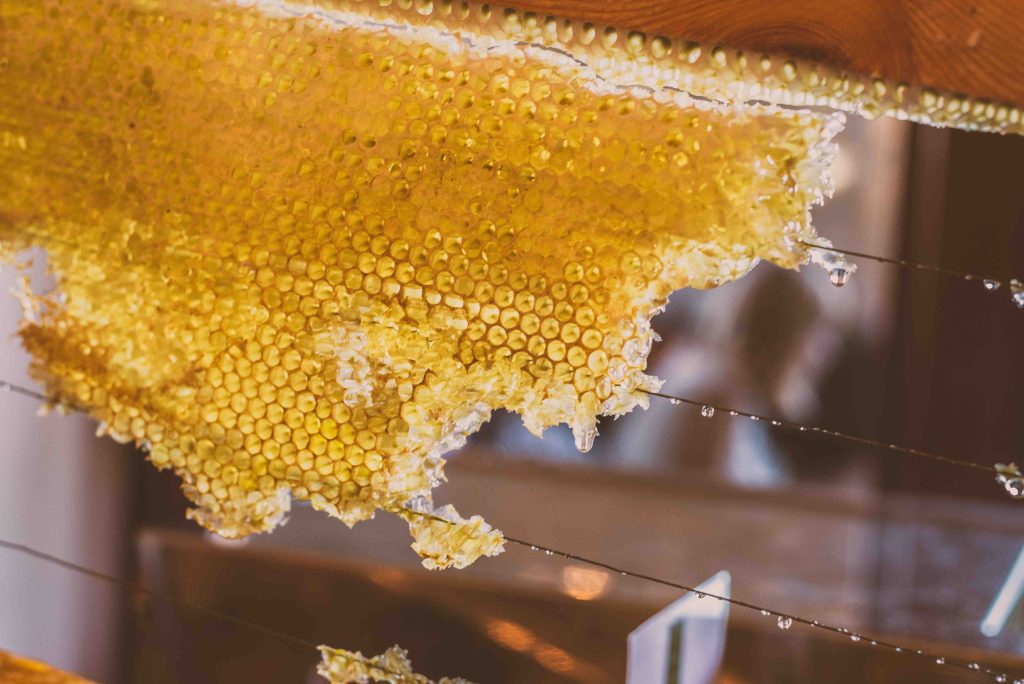
Bee wax is a natural lipid produced by the wax glands of worker bees. This product contains over 300 substances, including esters of fatty acids, hydrocarbons, fatty acids, alcohols, flavonoids, carotenoids, and proteins. Bee wax is characterized by its antiseptic, regenerative, and strengthening properties. In medicine, it is used to treat inflammations of joints, muscles, and nerves.
Due to its antiseptic and moisturizing properties, bee wax shortens the wound healing period and accelerates skin regeneration. In cosmetics, bee wax is used to make creams, body lotions, and ointments. Its addition to cosmetic products and use makes the skin firm and improves its condition.
Bee wax is a base for lipsticks, sticks, and creams. Due to its composition, when applied to the skin, it reduces water loss from the skin, making it useful in the therapy of atopic dermatitis. The antibacterial property of bee wax (squalene and chrysin) allows it to be used in the treatment of wounds, atopic dermatitis, and psoriasis. The high content of vitamin A in the wax affects skin regeneration after damage.
Table 4. Use of Wax in the Therapy of Skin Diseases
Components of Wax | Impact on Skin | Therapy for Skin Diseases |
Squalene and Chrysin | Antibacterial | Treatment of Wounds, Atopic Dermatitis, and Psoriasis |
Sterols | Reduce Water Loss from Skin | Atopic Dermatitis |
Bee venom
Bee venom is a toxin known as apitoxin. Chemically, it consists of a complex mixture of several bioactive components, which include peptides such as melittin, apamin, mast cell degranulation, secapin, tertiapin, and adolapin. Additionally, bee venom includes enzymes such as phospholipase A, phospholipase B, hyaluronidase, acid phosphatase, α-glucosidase, acid phosphoesterase, and dipeptidyl peptidase.
In medicine, bee venom has potential benefits for certain diseases such as Alzheimer's, Parkinson's, and rheumatoid arthritis. Additionally, bee venom possesses anti-cancer properties.
Bee venom has effects such as anti-inflammatory, antibacterial, antiviral, antifungal, as well as a strong impact on skin diseases such as acne, alopecia, atopic dermatitis, photo-aging, psoriasis, wound healing, and vitiligo.
Han and colleagues investigated the therapeutic effects of bee venom on acne in 12 subjects, where one group received skincare products containing bee venom, and the other group received products without bee venom, using these products for two weeks. After two weeks, the group that used products containing bee venom showed significantly better results compared to the group that used products without venom. The results indicate that cosmetics containing bee venom can be a good choice for acne treatment.
The effects of bee venom on alopecia have been studied, as the current therapy leads to numerous side effects. The results showed that bee venom could be useful in the treatment of alopecia. Thanks to ingredients that have anti-inflammatory effects, it can be used in the treatment of atopic dermatitis, wounds, and psoriasis.
Phospholipase A2, a component of bee venom, stimulates skin pigmentation, so it can be used in the treatment of vitiligo. Bee venom is included in products that have an anti-aging effect and lead to a reduction in depth, total surface area, and number of wrinkles. Research indicates that bee venom has an anticancer effect and could be used in the treatment of melanoma, but there is still no definitive evidence of its use in melanoma.
Table No. 5 Impact of Bee Venom on Skin Diseases
Components of Bee Venom | Impact on Skin | Therapy for Skin Diseases |
Melittin | Antimicrobial, | Treatment of Wounds and Acne, Treatment for Herpes Simplex, Melanoma Treatment (studied in mice) |
Melittin and Apamin | Antifungal | Fungal Treatment |
Melittin and Adolapin | Anti-inflammatory | Treatment of Psoriasis, Wounds, Atopic Dermatitis |
Phospholipase A2 | Pigmentation | Vitiligo Treatment |
Unknown Mechanism | Reduces Wrinkles | |
Unknown Mechanism | Affects Hair Growth | Alopecia Treatment |
Royal Jelly
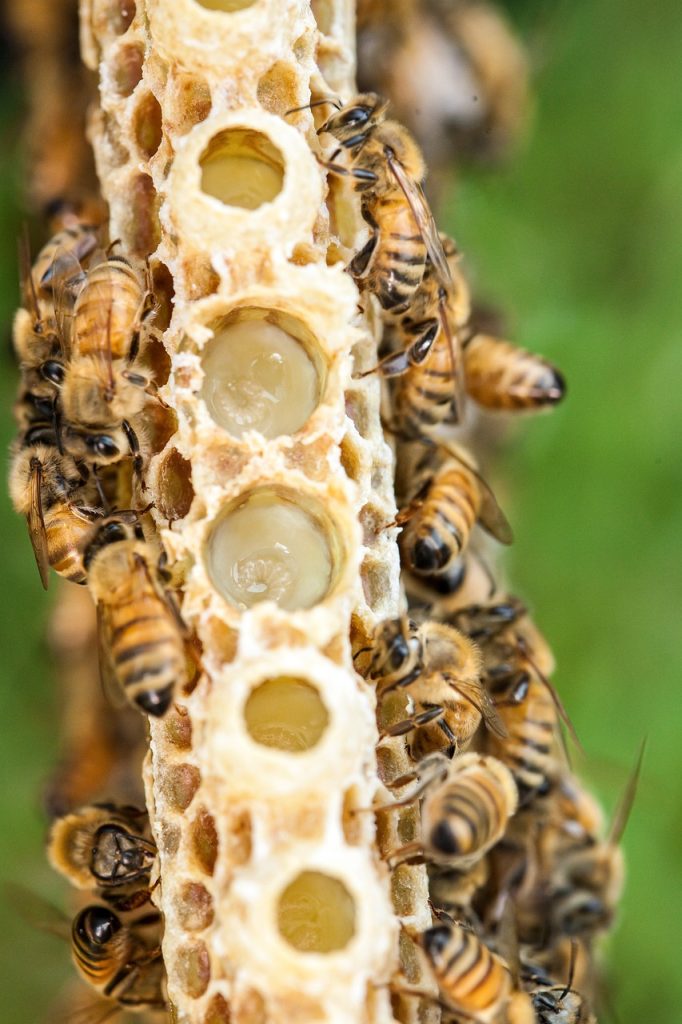
Royal jelly is a product of the secretory glands of worker bees that provides nourishment to the queen and larvae during the first days of life. Royal jelly contains over 200 chemical substances, including essential amino acids, enzymes, peptides, lipids, carbohydrates, bioelements, organic acids, nucleic acids, hormones, vitamins, enzymes, and nucleotides. Royal jelly has antimicrobial, antioxidant, anti-inflammatory, anticancer, neuroprotective, and hypocholesterolemic effects.
In dermatological and cosmetic contexts, royal jelly accelerates the wound healing process and stimulates collagen production. It also has a beneficial effect on the skin, hair, and nails by supporting the production of collagen fibers and regulating the secretory functions of sebaceous glands.
Royal jelly has a strong antimicrobial effect on the skin, noticeable even at a concentration of 20%. It is effective in treating wounds and is successfully used in cosmetics for the care of problematic skin. Royal jelly is an ingredient in preparations that normalize sebum secretion, for skin prone to seborrhea and acne. Royal jelly is highly moisturizing, and its application on the skin increases hydration and reduces wrinkles.
Table No. 6 Impact of Royal Jelly on Skin Diseases
Components of Royal Jelly | Impact on Skin | Therapy for Skin Diseases |
Defensin-1 Peptide and Ferulic Acid | Antibacterial | Wound Treatment, Treatment of Diabetic Foot Ulcers, Acne |
10-Hydroxydecanoic Acid and Gamma Globulin | Anti-inflammatory | Treatment of Atopic Dermatitis and Hyperkeratosis |
10-Hydroxydecanoic Acid | Anti-aging Effect, Immunomodulatory Effect | Wrinkle Treatment, Autoimmune Diseases |
References:
Dumitru, C., Neacsu, I., Grumezescu, A., & Andronescu, E. (2022). Bee-derived products: chemical composition and applications in skin tissue engineering. Pharmaceutics, 14(4), 750.
Dundurs, J., & Krivenko, V. (2020). To Be or not to Be? Apitherapy: Benefits and Adverse Reactions in Medicine. Rīgas Stradiņa universitāte.
Testa, R., Asciuto, A., Schifani, G., Schimmenti, E., & Migliore, G. (2019). Quality Determinants and Effect of Therapeutic Properties in Honey Consumption. An Exploratory Study on Italian Consumers. Agriculture, 9, 174.
Bilsel, Y., Bugra, D., Yamaner, S., Bulut, T., Cevikbas, U., & Turkoglu, U. (2002). Could Honey Have a Place in Colitis Therapy? Effects of Honey, Prednisolone, and Disulfiram on Inflammation, Nitric Oxide, and Free Radical Formation. Dig Surg, 19, 306–312.
Kurek-Górecka, A., Górecki, M., Rzepecka-Stojko, A., Balwierz, R., & Stojko, J. (2020). Bee products dermatology and skin care. Molecules, 25(3), 556.
Martinotti, S., Laforenza, U., Patrone, M., Moccia, F., & Ranzato, E. (2019). Honey-Mediated Wound Healing: H2O2 Entry through AQP3 Determines Extracellular Ca2+ Influx. International Journal of Molecular Sciences, 20, 764.
Abdelnour, S. A., Abd El-Hack, M. E., Alagawany, M., Farag, M. R., & Elnesr, S. S. (2019). Beneficial Impacts of Bee Pollen in Animal Production, Reproduction and Health. J Anim Physiol Anim Nutr, 103, 477–484.
Nascimento, A., & Luz, G. E., Jr. (2018). Bee Pollen Properties: Uses and Potential Pharmacological Applications - a Review. J Anal Pharm Res, 7, 513–515.
Kowacz, M., & Pollack, G. H. (2020). Propolis-Induced Exclusion of Colloids: Possible New Mechanism of Biological Action. Colloid Interface Sci Commun, 38.
Sawicka, D., & Borawska, M. H. (2013). The use of propolis in skin diseases. Dermatology and Esthetic, 1, 13–17.
Afkhamizadeh, M., Aboutorabi, R., Ravari, H., Fathi Najafi, M., Ataei Azimi, S., Javadian Langaroodi, A., ... Sahebkar, A. (2018). Topical propolis improves wound healing in diabetic foot ulcer patients: A randomized controlled trial. Natural Product Research, 32, 2096–2099.
Mazzarello, V., Donadu, M. G., Ferrari, M., Piga, G., Usai, D., Zanetti, S., & Sotgiu, M. A. (2018). Treatment of acne with a combination of propolis, tea tree oil, and Aloe vera compared to erythromycin cream: two double-blind investigations. Clinical Pharmacology, 10, 175-181.
Svečnjak, L., Chesson, L. A., Gallina, A., Maia, M., Martinello, M., Mutinelli, F., Muz, M. N., Nunes, F. M., Saucy, F., Tipple, B. J., i sar. (2019). Standard Methods for Apis Mellifera Beeswax Research. J Apic Res, 58, 1–108.
Kasparaviciene, G., Savickas, A., Kalveniene, Z., Velziene, S., Kubiliene, L., & Bernatoniene, J. (2016). Evaluation of Beeswax Influence on Physical Properties of Lipstick Using Instrumental and Sensory Methods. Evid Based Complement Altern Med.
Kędzia, B., & Hołderna-Kędzia, E. (2014). The use of beeswax in medicine. Pasieka, 3.
Azam, M. N., Ahmed, M. N., Biswas, S., Ara, N., Rahman, M. M., Hirashima, A., et al. (2018). A review on bioactivities of honey bee venom. Annual Research & Review in Biology, 1-3.
El-Wahed AAA, Khalifa SAM, Elashal MH, Musharraf SG, Saeed A, Khatib A, Tahir HE, Zou X, Naggar YA, Mehmood A, i sar. Cosmetic Applications of Bee Venom. Toxins. 2021;13:810.
Park, S., Erdogan, S., Hwang, D., Hwang, S., Han, E. H., & Lim, Y. H. (2016). Bee venom promotes hair growth in association with inhibiting 5α-reductase expression. Biological and Pharmaceutical Bulletin, 39(6), 1060-1068.
You, C. E., Moon, S. H., Lee, K. H., Kim, K. H., Park, C. W., Seo, S. J., & Cho, S. H. (2016). Effects of emollient containing bee venom on atopic dermatitis: A double-blinded, randomized, base-controlled, multicenter study of 136 patients. Annals of Dermatology, 28, 593–599.
Soman, N. R., Baldwin, S. L., Hu, G., Marsh, J. N., Lanza, G. M., Heuser, J. E., Arbeit, J. M., Wickline, S. A., & Schlesinger, P. H. (2009). Molecularly targeted nanocarriers deliver the cytolytic peptide melittin specifically to tumor cells in mice, reducing tumor growth. Journal of Clinical Investigation, 119, 2830–2842.
Dębek, K., Kalinowski, M., Mastalerczyk, A., Dąbrowski, J., & Boguszewska-Czubara, A. (2021). Zastosowanie Kukurbitacyny B w Terapii Nowotworów. In: Wybrane Zagadnienia z Zakresu Produkcji Surowców, Żywności i Kosmetyków, str. 30–36. Lublin, Poland: Wydawnictwo Uniwersytetu Przyrodniczego w Lublinie.
Kowalczuk, I., Gębski, J., Stangierska, D., & Szymańska, A. (2023). Determinants of Honey and Other Bee Products Use for Culinary, Cosmetic, and Medical Purposes. Nutrients, 15, 737.